
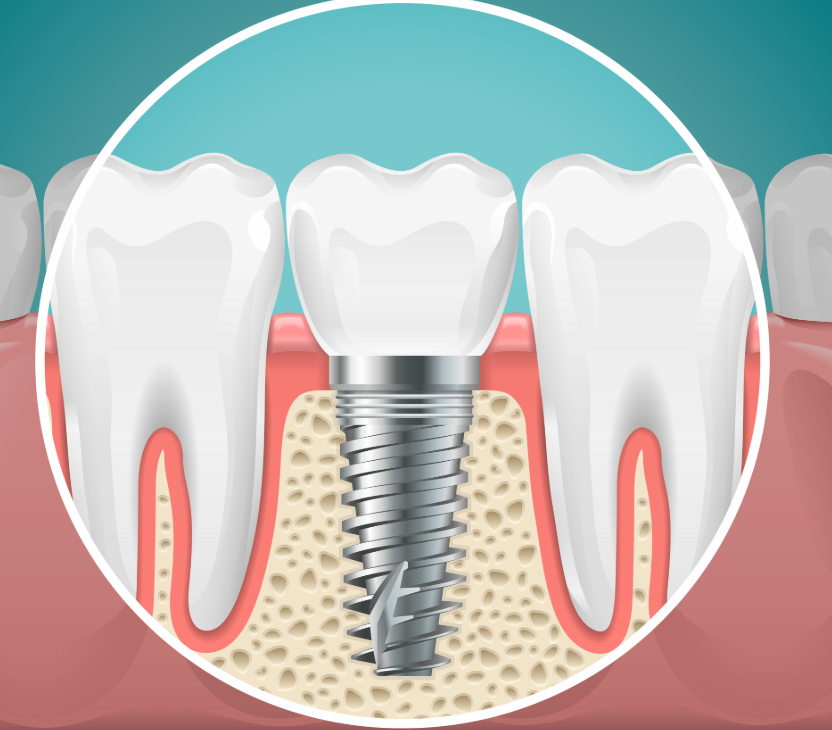
Dental implants are often called the gold standard for replacing missing teeth, and for good reason. They restore the look, feel, and function of natural teeth with impressive stability and long-term success. But many patients still wonder: can dental implants get cavities like natural teeth do?
The short answer is no—dental implants cannot get cavities. However, that doesn’t mean they are completely maintenance-free or immune to oral health issues. Understanding how implants work can help you better protect your smile for years to come.
Why Dental Implants Don’t Get Cavities
Cavities form when bacteria in the mouth break down sugars and produce acids that attack tooth enamel. Natural teeth are made of enamel and dentin, which are vulnerable to this process.
Dental implants, however, are made from materials like titanium (for the implant post) and ceramic or porcelain (for the crown). These materials are not biological and cannot decay the way natural tooth structure does.
Because there is no enamel to break down, implants themselves cannot develop cavities.
What Can Still Go Wrong with Dental Implants
Even though implants are cavity-resistant, they still require excellent oral hygiene. The gums and bone that support the implant are still living tissues that can become infected.
One of the most important risks to be aware of is peri-implant disease, which is similar to gum disease in natural teeth. It can occur when plaque and bacteria accumulate around the implant, leading to inflammation and potential bone loss if left untreated.
Without proper care, this condition can compromise the stability of the implant, even if the crown itself remains unaffected.
How to Care for Dental Implants
Taking care of dental implants is very similar to caring for natural teeth. Good daily habits and regular dental visits are essential for long-term success.
Helpful care tips include:
- Brushing twice a day with a soft-bristled toothbrush
- Flossing or using interdental cleaners daily
- Rinsing with an antimicrobial mouthwash if recommended
- Attending regular dental checkups and cleanings
- Avoiding tobacco products, which can increase implant complications
These habits help protect the surrounding gum tissue and ensure the implant remains stable and healthy.
The Importance of Healthy Gums
While implants cannot get cavities, healthy gums are critical to their success. Strong, infection-free gum tissue helps anchor the implant securely in place.
If gum disease develops around an implant, it can progress quickly and may be harder to treat than it is around natural teeth. This is why prevention and early detection are so important.
Patients with a history of gum disease or other risk factors should be especially diligent about ongoing care.
A Long-Term Solution That Still Needs Maintenance
Dental implants are designed to be a long-lasting tooth replacement option, often lasting decades with proper care. However, they are not “set it and forget it” solutions.
Regular maintenance and good oral hygiene are key to ensuring that implants remain functional and attractive over time. While they eliminate the risk of cavities, they still rely on healthy surrounding tissues for long-term success.
When cared for properly, implants can provide a strong, natural-looking smile for many years.
About the Practice
At UDC Chicago, patients receive advanced restorative dental care focused on long-term oral health and function. Our amazing dental team specialize in dental implant solutions designed to restore missing teeth with precision, durability, and a natural appearance. Each treatment plan is customized to support optimal outcomes and patient comfort, helping individuals regain confidence in their smiles.
Call us at (773) 646-6262 or schedule your appointment online.