
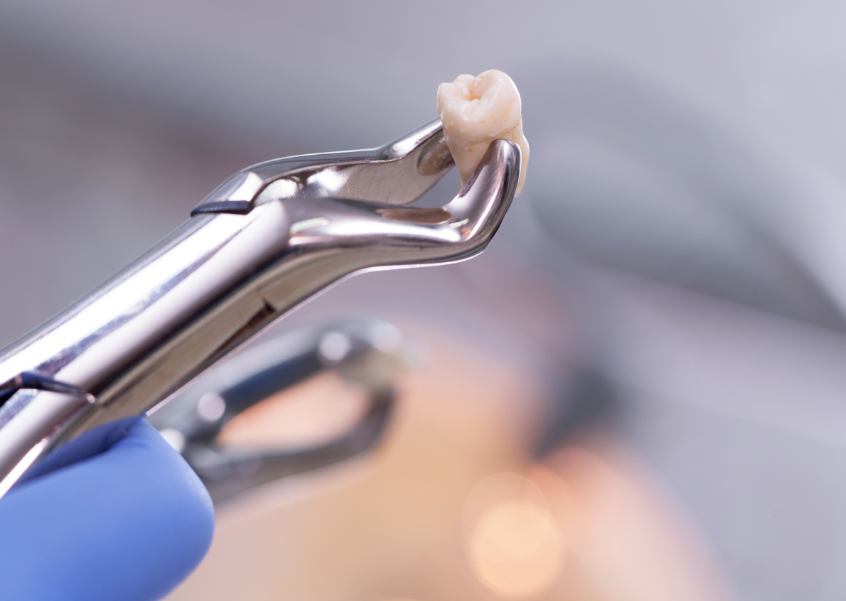
It’s easy to assume that if a tooth isn’t hurting, it must be healthy. But in dentistry, that’s not always the case. Pain is just one signal your body uses to indicate a problem—and sometimes, serious issues develop silently.
Teeth can become damaged or infected without triggering immediate discomfort. In fact, by the time pain appears, the issue may already be advanced. That’s why dentists rely on exams and imaging, not just symptoms, to determine whether a tooth needs to be removed.
Severe Decay or Hidden Infection
A tooth can have extensive decay or infection without causing noticeable pain. This can happen if the nerve inside the tooth has already been damaged or died. Without an active nerve response, you may not feel anything—even though the surrounding bone and tissue are at risk.
If left untreated, this type of infection can spread to nearby teeth, gums, or even other areas of the body. In these cases, removing the tooth is often the safest way to protect your overall oral health.
Advanced Gum Disease
Gum disease doesn’t always cause obvious discomfort in its early or moderate stages. However, as it progresses, it can weaken the structures that support your teeth, including the bone.
A tooth affected by advanced periodontal disease may become loose or unstable, even if it doesn’t hurt. Extracting the tooth can help prevent further damage to surrounding teeth and create a healthier foundation for future treatments.
Impacted or Problematic Wisdom Teeth
Wisdom teeth are a common reason for extractions that don’t involve pain. These teeth may be impacted, meaning they don’t fully emerge from the gums, or they may grow at awkward angles.
Even if they’re not currently causing discomfort, impacted wisdom teeth can trap bacteria, increase the risk of infection, or damage neighboring teeth over time. Dentists often recommend removing them proactively to avoid complications later.
Overcrowding and Orthodontic Needs
Sometimes, a tooth extraction is part of a larger treatment plan—especially in orthodontics. If your mouth doesn’t have enough space for all your teeth to align properly, removing one or more teeth may be necessary.
Even though those teeth are healthy and pain-free, extracting them can help achieve better alignment, improve bite function, and support long-term oral health.
Cracks or Structural Damage
A tooth can be cracked or structurally compromised without causing immediate pain. Small fractures may not reach the nerve right away, but they can worsen over time.
If the damage is too severe to repair with a crown or other restoration, extraction may be the best option to prevent future complications.
Preventing Bigger Problems Down the Road
In many cases, a pain-free extraction is recommended as a preventive measure. Dentists aim to address potential issues early, before they turn into more complex, costly, or painful problems.
By removing a compromised tooth at the right time, you can avoid infections, damage to surrounding teeth, and more invasive treatments later on.
Taking action early can make all the difference in protecting your long-term oral health.
About the Practice
United Dental Centers of Chicago maintains stress-free dentistry, even for procedures like tooth extractions. Led by a compassion team of dentists, our patients receive comprehensive, patient-centered dental care focused on both prevention and long-term wellness. We use modern diagnostic tools to identify concerns early—even when symptoms aren’t obvious. Our doctors take time to explain every recommendation, including tooth extractions, so patients feel informed and confident in their care. Whether addressing a current issue or preventing future complications, the practice is committed to helping patients maintain healthy, comfortable smiles.
Call us at (773) 646-6262 or schedule your appointment online.